 By
By Entertainment has always reflected the times people live in. From oral storytelling and theater to cinema, television, and now digital platforms, the way audiences consume entertainment continues to evolve. Today’s entertainment landscape is shaped by technology, shifting audience behavior, and a growing demand for personalized, on-demand experiences.
What Defines Entertainment Today?
At its core, entertainment is any activity or medium designed to engage, amuse, or emotionally move an audience. In the modern era, entertainment is no longer confined to physical venues or scheduled broadcasts.
Key defining characteristics include:
-
Instant accessibility through smartphones and connected devices
-
Interactive participation, especially in gaming and social media
-
Global reach, allowing creators to connect with audiences worldwide
-
Diverse formats, blending video, audio, live experiences, and virtual worlds
The Rise of Digital Entertainment Platforms
Digital platforms have reshaped how content is produced, distributed, and consumed. Traditional gatekeepers no longer hold exclusive control, giving independent creators unprecedented opportunities.
Popular Digital Entertainment Formats
-
Streaming services for movies, series, and documentaries
-
Music platforms offering curated playlists and global releases
-
Online gaming with multiplayer and competitive ecosystems
-
Short-form content optimized for quick, mobile viewing
This shift has empowered audiences to choose what they watch, when they watch it, and how they engage with it.
Film and Television: Reinventing Storytelling
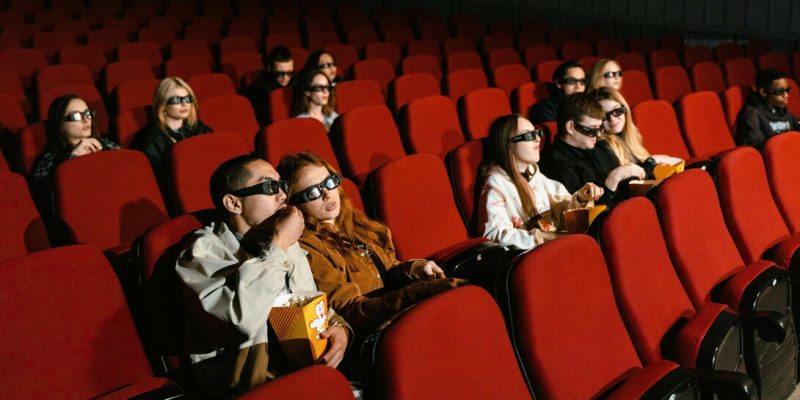
Cinema and television remain central pillars of entertainment, but their delivery has transformed. Viewers now expect cinematic quality at home, while theaters focus on immersive experiences that can’t be replicated on a screen.
Key Trends in Film and TV
-
High-budget streaming originals rivaling theatrical releases
-
Binge-watching culture reshaping storytelling structures
-
International content gaining mainstream popularity
-
Hybrid releases, blending theatrical and digital premieres
Music Entertainment in a Connected World
Music has become more personal and more social at the same time. Algorithms recommend songs tailored to individual tastes, while live concerts and virtual performances bring fans together.
Notable developments include:
-
Artists releasing music directly to fans
-
Live-streamed concerts and virtual festivals
-
Social platforms influencing music discovery
-
Greater emphasis on visual storytelling alongside audio
Gaming and Interactive Entertainment
Gaming is no longer a niche hobby—it’s a dominant force in global entertainment. Competitive gaming, live streams, and immersive narratives have turned games into shared cultural experiences.
Why Gaming Stands Out
-
Player-driven stories and open worlds
-
Community engagement through live chats and events
-
Professional esports attracting massive audiences
-
Technological innovation, including virtual and augmented reality
Social Media as Entertainment Hubs
Social media platforms have blurred the line between creator and consumer. Entertainment is now fast, shareable, and often created in real time.
Core elements include:
-
Short, engaging video formats
-
Influencer-driven entertainment
-
Real-time audience feedback
-
Viral trends shaping pop culture
The Future of Entertainment
The future points toward deeper immersion and stronger personalization. Advances in artificial intelligence, extended reality, and interactive storytelling will continue to redefine how audiences experience entertainment.
Emerging possibilities:
-
Fully immersive virtual environments
-
AI-assisted content creation
-
Personalized story paths based on viewer choices
-
Seamless blending of physical and digital experiences
Frequently Asked Questions (FAQ)
What is considered entertainment in the modern world?
Entertainment today includes digital content, live experiences, interactive media, and user-generated formats designed to engage audiences emotionally or intellectually.
How has technology changed the entertainment industry?
Technology has enabled on-demand access, global distribution, interactive experiences, and new revenue models for creators.
Why is streaming so popular compared to traditional TV?
Streaming offers flexibility, personalized recommendations, and the freedom to watch content anytime without fixed schedules.
Is gaming more popular than movies and music?
Gaming rivals and, in some regions, surpasses movies and music in revenue and audience engagement due to its interactive nature.
How do social media platforms influence entertainment trends?
They accelerate content discovery, enable viral moments, and allow creators to connect directly with audiences.
Will traditional entertainment formats disappear?
Traditional formats are unlikely to disappear but will continue adapting alongside digital and interactive alternatives.
What skills are important for future entertainment creators?
Creative storytelling, digital literacy, audience engagement, and adaptability to new technologies are increasingly essential.