 By
By Education is not only about acquiring knowledge; it is a powerful process that shapes how individuals think, analyze, and innovate. When designed effectively, education nurtures creativity and strengthens problem-solving skills, enabling learners to face real-world challenges with confidence and originality.
The Connection Between Education and Creativity
Creativity thrives in environments that encourage curiosity, experimentation, and open thinking. Modern education systems increasingly focus on creating such environments where learners feel safe to explore ideas without fear of failure.
Education fosters creativity by:
-
Encouraging imaginative thinking through open-ended questions
-
Allowing students to express ideas through writing, art, and discussion
-
Promoting exploration rather than memorization
-
Valuing originality alongside accuracy
When learners are encouraged to ask “why” and “what if,” creativity becomes a natural outcome.
Developing Problem-Solving Skills Through Learning
Problem-solving is a skill that develops through consistent practice and exposure to challenges. Education introduces learners to structured ways of analyzing problems and finding effective solutions.
Critical Thinking as a Foundation
Critical thinking helps students evaluate information logically and make informed decisions. Educational activities such as debates, case studies, and analytical writing sharpen this ability.
Key elements include:
-
Identifying problems clearly
-
Analyzing multiple perspectives
-
Evaluating evidence before reaching conclusions
These skills are essential for solving both academic and real-life problems.
Learning Through Real-World Applications
When education connects theory to real-life situations, problem-solving becomes more meaningful. Project-based learning and practical assignments allow students to apply knowledge creatively.
Examples include:
-
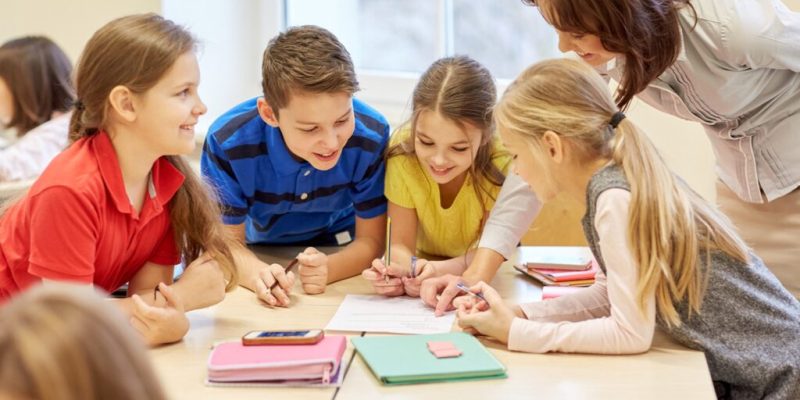
Group projects that require collaboration and planning
-
Simulations and role-playing exercises
-
Research tasks focused on real community issues
Such experiences help learners develop adaptability and resilience.
Role of Teachers in Encouraging Innovation
Teachers play a critical role in shaping creative and problem-solving mindsets. Rather than acting only as instructors, they guide students toward independent thinking.
Effective teaching practices include:
-
Encouraging discussion instead of one-way lectures
-
Welcoming diverse viewpoints and solutions
-
Providing constructive feedback instead of rigid correction
-
Creating opportunities for experimentation
A supportive teacher-student relationship boosts confidence and innovation.
Technology as a Catalyst for Creative Thinking
Digital tools have expanded the ways students learn and solve problems. Interactive platforms, design software, and collaborative tools encourage experimentation and creative expression.
Benefits of technology in education include:
-
Access to diverse learning resources
-
Opportunities for self-paced exploration
-
Enhanced collaboration across different locations
-
Visual and interactive problem-solving methods
When used thoughtfully, technology enhances both creativity and analytical thinking.
Long-Term Benefits of Creative and Problem-Solving Education
Students who develop creativity and problem-solving skills through education are better prepared for future challenges. These abilities are highly valued across professions and industries.
Long-term advantages include:
-
Improved adaptability in changing environments
-
Stronger decision-making abilities
-
Greater confidence in handling uncertainty
-
Enhanced leadership and innovation potential
Education that prioritizes these skills empowers learners beyond academic success.
Frequently Asked Questions (FAQ)
Why is creativity important in education?
Creativity helps students think independently, explore new ideas, and approach challenges with innovative solutions.
How does problem-solving benefit students outside the classroom?
Problem-solving skills help individuals manage real-life situations, make decisions, and adapt to unexpected challenges.
Can traditional education limit creativity?
When overly focused on memorization, traditional education may restrict creativity, but balanced methods can overcome this limitation.
What teaching methods best support creative thinking?
Project-based learning, discussions, and inquiry-based approaches are highly effective in fostering creativity.
How early should creativity be encouraged in education?
Creativity should be encouraged from early childhood, as young learners naturally explore and imagine.
Does creativity conflict with academic performance?
No, creativity often enhances understanding and engagement, leading to stronger academic outcomes.
How can students improve problem-solving skills independently?
Students can practice problem-solving by engaging in puzzles, real-world challenges, reflection, and self-directed learning.